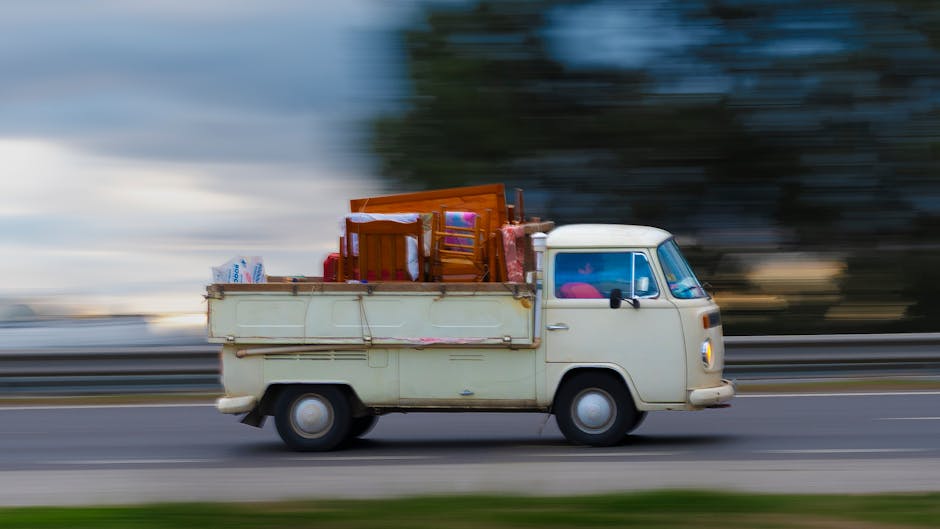
What to know about bulky item removals in Finchley flats
Bulky item removals in Finchley flats can look simple from the outside: sofa out, old mattress gone, happy days. In reality, it is often a bit more fiddly. Narrow stairwells, shared entrances, awkward lifts, parking restrictions, and the general "how on earth does that fit?" moment can turn a quick job into a stressful one. If you live in a Finchley flat and need to clear a large item, this guide explains what to know about bulky item removals in Finchley flats, how the process usually works, what can go wrong, and how to make it smoother from start to finish.
Whether you are replacing a worn-out wardrobe, clearing a piano, or just trying to reclaim space in a smaller home, the right approach matters. A bit of planning can save time, protect communal areas, and reduce the risk of damage. It can also help you choose between a simple man with a van arrangement, a full furniture removals service, or something more specialised like piano removals.
Below, you will find a practical breakdown written for real flats and real-life access issues. No fluff. Just the stuff that tends to matter on the day.
Table of Contents
- Why bulky item removals in Finchley flats matter
- How the process works in practice
- Key benefits and practical advantages
- Who this is for and when it makes sense
- Step-by-step guidance
- Expert tips for better results
- Common mistakes to avoid
- Tools, resources and recommendations
- Law, compliance, standards and best practice
- Options, methods and comparison table
- Case study or real-world example
- Practical checklist
- Conclusion
- Frequently asked questions
Why bulky item removals in Finchley flats matter
Flats change the equation. A bulky item in a house often has a straightforward route out through a hallway, front door, and driveway. In a Finchley flat, you may be dealing with a shared corridor, a stairwell that turns sharply halfway down, a lift that is just a little too small, or neighbours who are trying to get their own day started. All of that affects timing, handling, and how carefully the item needs to be moved.
That is why bulky item removals in Finchley flats are not just about strength. They are about planning, access, safety, and communication. One forgotten detail, like a vehicle that cannot legally stop close enough, can mean extra carrying distance, more strain, and a higher chance of damage to walls, floors, or the item itself.
There is also the question of disposal. Not every large item should be treated as "just throw it away." Some pieces can be re-used, some can be collected for furniture pick up, and others may need careful handling because they are heavy, fragile, or awkwardly shaped. If the item still has value or life left in it, options such as furniture pick up can be a more practical route than dragging it to the kerb and hoping for the best. Truth be told, the easiest-looking jobs are often the ones that catch people out.
Expert summary: In Finchley flats, bulky item removal works best when you treat it like a small logistics job, not a quick lift-and-go task. Measure first, plan access carefully, protect the route, and choose the right help for the item.
How bulky item removals in Finchley flats works
Most bulky item removals follow a simple pattern, but the detail matters. First comes the assessment: what is being moved, where it is located, how heavy it is, and how it will leave the property. Then comes the route check. That includes doors, turns, staircases, lifts, outdoor paths, and the distance from the building to the vehicle.
In a flat, access planning is often the difference between a calm job and a frustrating one. A sofa that fits through the living room door may still fail at the second-floor landing because the angle is wrong. A chest of drawers may have to be emptied, wrapped, and tilted in a way that protects both the item and the stairwell. You will notice this most with older buildings where corridors feel narrow and the geometry is, frankly, a bit awkward.
Once the route is clear, the next stage is preparation. Items may need to be disconnected, emptied, wrapped, dismantled, or protected with blankets and straps. At this point, a service like removal services can be useful if the job involves more than a single lift. If the item is especially large or you are moving several pieces at once, a vehicle such as a removal van or even a moving truck may be more suitable than a smaller car-based approach.
Then comes the removal itself. The team carries the item out carefully, keeps an eye on corners and surfaces, loads it securely, and makes sure it is stable for transport. If the item is being removed for re-use, resale, or disposal, the handling should match that purpose. For example, a solid wardrobe can often be wrapped and shifted intact, while a large flat-pack unit may be better broken down first. Not glamorous, but effective.
Key benefits and practical advantages
When done properly, a professional bulky item removal offers more than convenience. It reduces risk, saves time, and helps you avoid the little disasters that are hard to fix after the fact. A chipped banister, scratched wall, or strained back tends to stick in your memory longer than the item itself.
- Less physical strain: Heavy lifting in stairwells is no joke, especially with awkward items.
- Reduced damage risk: Proper handling protects floors, walls, doors, lifts, and communal spaces.
- Better timing: A planned removal is usually faster than a "let's just wing it" attempt.
- Cleaner exit route: Routes can be protected and cleared in advance.
- More suitable disposal or reuse: Items can be directed to the right next step.
There is another quiet benefit: peace of mind. That matters more than people think. If you live in a busy Finchley block, knowing the job is being handled neatly means less awkwardness with neighbours and less worry about whether the lift will survive the day. If the item has to go into storage rather than out immediately, a storage option can bridge the gap while you decide what to keep, donate, or replace.
Who this is for and when it makes sense
This kind of removal is for anyone in a flat who needs to move something large, heavy, or inconvenient. That could be a long-term resident clearing old furniture, a student leaving a rented flat, a landlord between tenancies, or someone replacing a big item after a refurbishment. It can also apply to older people who do not want to risk lifting something that should clearly be moved by two people and not one determined but overconfident person.
It makes sense when:
- the item will not fit in a standard bin or normal car boot;
- the flat has stairs, tight corners, or a small lift;
- you need help lifting, dismantling, or carrying;
- the item is too heavy to move safely alone;
- you need the job done quickly or on a specific day;
- you want the item removed without disrupting the building too much.
For one-off moves, some people look at man and van support because it can be flexible and straightforward. For a larger flat clear-out, especially where more than one bulky item is involved, flat removals may fit better. And if you are moving out of the property altogether, it is worth looking at the wider picture through home moves or house removals depending on the scale of the move.
Step-by-step guidance
1) Identify the item and its condition
Start with the basics. What is it, how big is it, and is it still in one piece? A sofa with loose arms behaves differently from a rigid cabinet. A piano is an entirely different conversation. Be honest here. If the item is heavier than it looks, assume it will also be harder to manoeuvre than you think.
2) Measure the access route
Measure the item and the route: door width, hallway turns, stair landings, lift dimensions, and any tight outside corners. A lot of problems come from assuming a piece will "just angle through." Sometimes it will. Sometimes it absolutely will not. A few centimetres can change everything.
3) Check building rules and timing
Some blocks prefer removals at quieter times, and shared spaces should always be treated with care. If there is a lift, consider whether it needs booking or padding. If parking is tight, plan the vehicle position so carrying distance stays reasonable. That can save a surprising amount of effort.
4) Clear and protect the route
Move loose items out of the way, protect floors where needed, and make sure the route is free from trip hazards. If rain is in the air, as it often is in London at the worst possible time, put down protection at entrances too. Wet footprints and heavy furniture are not a great mix.
5) Prepare the item
Empty drawers, remove cushions, detach legs if possible, and tape loose doors shut. For more delicate pieces, wrap corners and fragile surfaces. For electronics or specialist items, do not guess. If it seems fragile, treat it as fragile.
6) Choose the right removal method
Match the method to the item. Small one-off pieces may suit a light vehicle and a couple of movers. Bulkier loads may need a larger vehicle or a dedicated team. If you want a fuller service, you may also benefit from packing and unpacking services or packing and boxes when the removal forms part of a bigger tidy-up.
7) Confirm handling, loading, and disposal
Ask how the item will be lifted, loaded, and transported. If it is to be reused, make sure it will stay clean and protected. If it is being disposed of, ask whether recycling or responsible disposal is part of the process. The better firms are usually clear about this upfront, which is refreshing, really.
Expert tips for better results
Here is where a little experience goes a long way. Bulky item removal looks simple until the item starts moving. Then everyone suddenly develops a strong opinion about angles, hand placement, and who should stand where.
- Remove smaller pieces first. A wardrobe with shelves, rails, and loose panels is far easier to handle once broken down.
- Protect the route before lifting. Do not wait until the item is halfway through the corridor.
- Keep one person focused on the route. That person is there to call out corners, door frames, and blind spots.
- Use gloves and grip-friendly shoes. It sounds minor, but it helps.
- Book a sensible time window. Mid-morning often works better than a rushed start when everyone is still half asleep.
- Be realistic about weight. If you are lifting something and immediately thinking "this is heavier than expected," trust that instinct.
One practical tip that gets overlooked: speak to the building's neighbours or concierge, if there is one, before the job. A quick heads-up can prevent awkward hallway stand-offs. It is a small thing, but it softens the whole experience.
Common mistakes to avoid
Most bulky item headaches come from a handful of preventable mistakes. None of them are rare. In fact, the same ones crop up again and again.
- Not measuring properly: Guessing door widths is how furniture gets stuck.
- Forgetting lift limits: A lift may be available but still not suitable for the item.
- Not emptying the item: Drawers left full make lifting harder and less safe.
- Underestimating parking: A perfect lift-out means little if the vehicle is too far away.
- Skipping protection: Shared areas can be damaged surprisingly easily.
- Trying to do too much alone: Some jobs really do need two people, or more.
- Choosing the wrong service level: A basic van may not be enough for a heavy or delicate piece.
There is also a mindset mistake: treating a flat clearance like a quick errand. It often isn't. When you plan it properly, the whole thing becomes a lot calmer. Less chaos, fewer surprises. Which is nice for everyone involved.
Tools, resources and recommendations
You do not need specialist kit for every job, but the right tools make a real difference. Here is a practical shortlist.
| Item or tool | Why it helps | Best used for |
|---|---|---|
| Measuring tape | Checks doors, corners, lift space, and vehicle access | Planning before the move |
| Furniture blankets | Protects surfaces from knocks and scratches | Wood, painted finishes, delicate items |
| Straps | Improves grip and control when carrying | Heavy or awkward loads |
| Gloves | Better hold and some hand protection | General lifting |
| Trolley or sack barrow | Reduces carrying distance and strain | Heavier items with suitable wheels |
| Floor protection | Helps protect communal areas and flooring | Stairs, hallways, entryways |
If the removal is part of a larger move, furniture removals can cover the item itself, while removals can suit broader flat or household work. For students in shared accommodation, student removals may be a better fit because the logistics are usually smaller and quicker. If you need a better sense of pricing, check pricing and quotes so you know what is included before booking.
Law, compliance, standards and best practice
For most residents, bulky item removal is not a highly regulated event in the way a construction project is. Even so, there are sensible standards to follow. In the UK, safe manual handling, careful property access, and responsible waste handling are basic expectations. If a service provider is carrying items through shared spaces or loading them into a vehicle, they should work in a way that avoids avoidable damage and injury.
Best practice usually includes clear communication, suitable equipment, and appropriate insurance. That insurance point matters more than people realise. If something is dropped, scratched, or damaged in a communal area, it helps to know the provider has thought about safety and cover. It is one reason people check pages like insurance and safety and health and safety policy before they book.
If the item is being disposed of, responsible handling should also be part of the plan. Reuse and recycling are usually preferable where possible, and that aligns with a sensible recycling and sustainability approach. For residents in flats, this is especially important because leaving bulky waste in shared areas can cause mess, inconvenience, and sometimes complaints from neighbours. Nobody wants that little letter through the door.
It is also worth reading the small print where relevant. Terms, payment rules, and booking conditions can affect what happens if access is harder than expected or the item is not ready when the team arrives. A quick look at terms and conditions and payment and security can prevent avoidable misunderstandings later.
Options, methods and comparison table
There is no single best method for every Finchley flat. The right choice depends on item size, access, urgency, and whether the item is being reused or disposed of. Here is a simple comparison.
| Option | Best for | Pros | Limitations |
|---|---|---|---|
| DIY removal | Very small, light items | Cheapest if you already have help and transport | Higher risk of damage, injury, or access problems |
| Man with a van | Single bulky items or a few pieces | Flexible and practical for smaller jobs | May not suit very heavy, fragile, or complex items |
| Furniture removals | Large or awkward household furniture | Better handling and load planning | Can be more involved than a quick lift |
| Full removals | Flat clearances or multiple items | Most efficient for bigger jobs | Probably more service than you need for one small item |
| Specialist removals | Items like pianos or delicate pieces | Tailored handling and safer movement | Needs the right provider and preparation |
If the job is urgent, a same day removals option may be worth considering, although you should expect availability to depend on the day and the workload. Fast is handy, but careful is better.
Case study or real-world example
Picture a second-floor Finchley flat with a large sofa bed that has to go. It has seen better days. The owner wants it out before a new one arrives the next afternoon. At first glance, the job sounds simple enough. But the hallway makes a sharp turn, the lift is too small for the item, and the building entrance sits a short distance from where the vehicle can park.
The successful approach in a case like this is usually straightforward: measure the sofa bed before the move, remove the cushions and loose parts, protect the floor route, check the carrying path, and bring the right number of people. If the item can be dismantled a little, do that first. If it is to be replaced, arrange disposal or collection in advance so the old piece is not hanging around in the living room like an unwanted guest.
In practice, the smoothest removals usually feel almost boring. That is the goal. Nobody is taking photos for a dramatic reel. The job starts, the item moves carefully, the route stays protected, and the flat is left tidy. A bit unexciting, but lovely in its own way.
Practical checklist
Use this before the removal day. It keeps things grounded and stops little details slipping through the cracks.
- Measure the item and all key access points.
- Check whether the item can be dismantled.
- Empty drawers, cupboards, or storage sections.
- Protect floors, corners, and tight door frames.
- Confirm lift access or stair route.
- Plan parking and vehicle access.
- Decide whether the item is for reuse, resale, recycling, or disposal.
- Book the right service level for the job.
- Keep communal areas clear for neighbours.
- Review the booking details, payment terms, and any safety notes.
If you are still deciding how much help you need, speaking with a removal companies page or service overview can help you compare what is included before you commit. It is a small bit of homework that pays off.
Conclusion
What to know about bulky item removals in Finchley flats really comes down to three things: access, preparation, and the right level of help. Once you understand those, the whole process becomes much less daunting. Measure properly, protect shared spaces, choose a method that fits the item, and do not underestimate the awkwardness of a narrow landing or a lift with opinions of its own.
For many Finchley residents, the best outcome is not just getting the item out. It is getting it out cleanly, safely, and without making the rest of the building feel like part of the project. That is the standard worth aiming for.
Get a free quote today and see how much you can save.
And if you are standing in your flat right now, looking at the item and thinking, "Right, where do I even start?" - start with the measurements. The rest gets easier from there.
Frequently Asked Questions
What counts as a bulky item in a Finchley flat?
Usually anything too large, heavy, or awkward to carry safely by hand without help. Sofas, wardrobes, mattresses, beds, large desks, and some appliances are common examples.
Can bulky items be removed from upper-floor flats?
Yes, but upper floors make planning more important. Stairs, lift size, turning points, and carrying distance all affect the method and the number of people needed.
Do I need to empty furniture before removal?
Yes, in most cases. Empty drawers, shelves, and cupboards before the item is moved. It makes the lift safer and reduces the chance of damage.
Is it better to use a man and van or a full removals service?
It depends on the item and access. A man with van service can suit a single item or a small load, while larger or more awkward jobs often work better with a fuller removal setup.
What if the item does not fit through the door or stairwell?
That is why measuring matters. Sometimes the item can be dismantled, tilted, or turned differently. If not, you may need a different route or a more specialised approach.
How far in advance should I book bulky item removal?
As soon as you know the item needs moving. A little lead time makes it easier to plan access, parking, and any dismantling needed. Urgent jobs can sometimes be handled, but availability is not guaranteed.
Can bulky items be taken for recycling or reuse?
Often yes, depending on condition. Items in good shape may be suitable for reuse, while damaged pieces may be better directed to recycling or disposal through a responsible route.
Do I need permission from the building or landlord?
Not always, but it is sensible to check if the removal will affect communal areas, lifts, or parking. Some buildings have simple rules that are easy to follow once you know them.
How do I avoid damaging walls and floors?
Use protection on the route, move slowly, and make sure the item is properly handled. Corners, doorway edges, and stair rails are the places where most scuffs happen.
What should I check before I accept a quote?
Ask what is included, whether labour and transport are covered, how access issues affect the job, and what happens if the item needs dismantling. It is also wise to review the provider's insurance and safety information.
Can bulky item removals be done on the same day?
Sometimes, yes. If you need urgent help, same day removals may be available, but you should be flexible on timing and ready with the item prepared.
What is the safest way to move a very heavy item?
The safest way is usually to use the right team, the right equipment, and a clear route. Heavy items should never be rushed. If something feels unstable, stop and reassess. It is better to pause for two minutes than to deal with a damaged wall later.