Common problems with Finchley removals on narrow streets
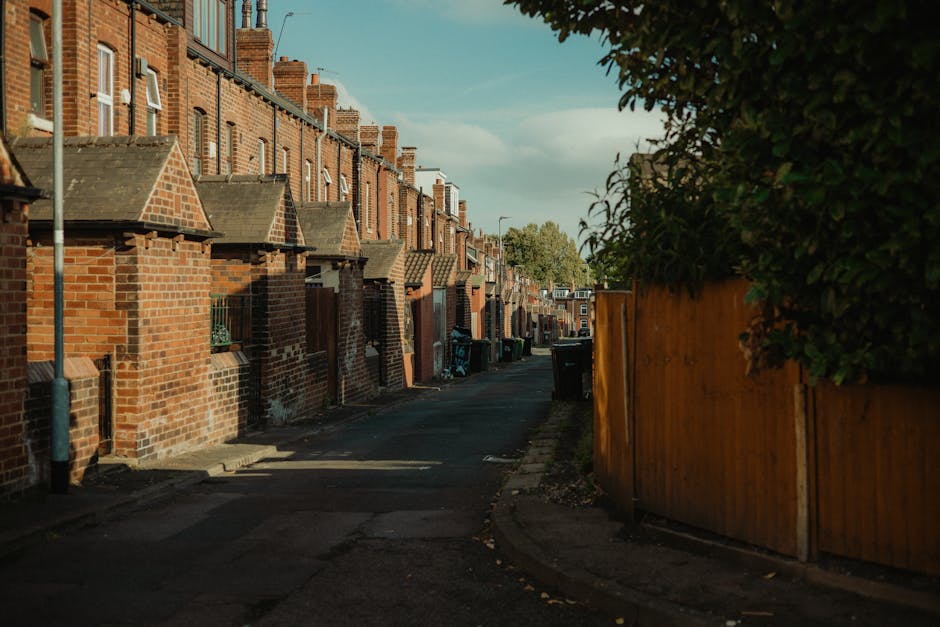
If you have ever watched a removal van inch down a tight Finchley road with parked cars on both sides, you already know the stress. Common problems with Finchley removals on narrow streets usually come down to access, timing, parking, and not having quite enough room to turn, load, or unload without a bit of planning. It sounds simple. It rarely is.
In Finchley, especially around older residential streets and busy local routes, a move can go from straightforward to awkward very quickly. A sofa that fit perfectly in your old place can become the thing that blocks a hallway. A van that looked fine on paper may struggle with a tight corner. And if neighbours are already parked close to the kerb, well, you get the picture.
This guide breaks down the most common issues, why they happen, and how to reduce the chaos before moving day. It also covers practical choices, best practice, and a few local realities that people often only learn the hard way. Let's make it easier.
Table of Contents
- Why this matters on Finchley's narrow streets
- How removals work in tight-access streets
- Key benefits and practical advantages
- Who this is for and when it makes sense
- Step-by-step guidance
- Expert tips for better results
- Common mistakes to avoid
- Tools, resources and recommendations
- Law, compliance, standards, or best practice
- Options, methods, or comparison table
- Case study or real-world example
- Practical checklist
- Conclusion
- Frequently asked questions
Why Common problems with Finchley removals on narrow streets Matters
Narrow streets change everything about a house move. The work is no longer just about carrying boxes from A to B; it becomes a logistics exercise. In Finchley, the challenge often starts before the first box is lifted. Can the van stop safely? Is there space to unload without blocking traffic? Will the lift-out route from the front door to the vehicle take two minutes or twenty?
Why does this matter so much? Because small delays create bigger ones. If a crew has to shuttle items by hand over a longer distance, the move takes more time. If the vehicle cannot park close enough, the risk of damage rises. If neighbours cannot get past, tensions build. Nobody wants to begin their new chapter with a polite-but-firm note through the letterbox.
There is also the simple matter of cost. The more difficult the access, the more carefully the job needs planning. That does not always mean the move is expensive, but it does mean guesswork is a bad idea. A realistic plan protects your budget, your belongings, and frankly your sanity.
Finchley has a mix of property types, from flats above shops to family houses on older residential roads. That mix makes removals more varied than a neat, modern estate where every driveway is the same. So the real issue is not just narrow streets themselves. It is the combination of tight access, on-street parking, local traffic, and the weight and size of what needs moving.
Key takeaway: narrow streets do not just slow a move down; they change the whole moving strategy. The earlier you treat access as a core planning issue, the smoother the day tends to go.
How Common problems with Finchley removals on narrow streets Works
A good removal on a narrow street is built around logistics. That sounds a bit dry, but it is really just practical problem-solving. The team needs to work out how the vehicle will arrive, where it can wait, how long loading may take, and whether the property can be reached without awkward manoeuvres.
In real terms, the process often involves a few important checks:
- measuring access points and likely parking space
- looking at the size of the vehicle needed
- identifying if items must be carried a longer distance
- planning for stairs, door widths, and tight corners
- checking whether any parking restrictions or permits may matter
If one of those pieces is missed, the day can quickly become awkward. A removal truck may need to park further away. That means more walking, more carrying, and more time spent moving each item. A large wardrobe may need to be turned awkwardly in a hallway. A fridge may need two people and a bit of patience. You get the idea.
Another common complication is timing. A narrow street can become nearly impossible if it is busy at the wrong hour. School-run traffic, delivery vans, and local visitors all make things tighter. Early morning is often easier, though not always ideal for every household. Sometimes the best move is not the most convenient one, which is a bit annoying, but true.
For moves that need a smaller vehicle or more agile access, services such as man with a van or removal van options can be more practical than sending a larger truck down a street that barely has room for one car to pass. On the other hand, if you are moving a full house, a larger planned service may still be the better call. It depends on volume, access, and the type of property.
Truth be told, the best results usually come from treating the street itself as part of the move. Not just the property. The street.
Key Benefits and Practical Advantages
It may sound odd to talk about benefits when the topic is a problem, but there are real advantages to understanding these issues early. The main one is control. When you know the likely pressure points, you can do something about them.
Here are the biggest practical advantages of planning around narrow-street removals:
- Fewer delays: less time lost to parking, reversing, or carrying items long distances.
- Lower risk of damage: clearer routes mean fewer bumps against walls, railings, or door frames.
- Less stress on moving day: you are not making decisions under pressure.
- Better use of labour: a crew can work more efficiently when the access plan is realistic.
- Improved neighbour relations: considerate parking and loading reduce friction.
There is also a less obvious benefit: better judgment. Once you understand the access challenge, you can choose between removal methods with more confidence. Do you need full-service house removals, or would flat removals with a smaller vehicle make more sense for your address? Should packing be included so the crew can move quickly on the day? Small decisions like that can matter a lot on a narrow road.
And to be fair, this is one of those areas where a little planning often saves more than it costs. Not always. But often enough that it is worth doing properly.
Who This Is For and When It Makes Sense
This topic matters most if your property is on a tight residential road, near a row of terraced homes, or in a part of Finchley where parking space is usually at a premium. It is also relevant if you are moving large furniture, valuable items, or a full household in one go.
You may benefit from this kind of planning if you are:
- moving from a flat above a shop or maisonette
- moving into an older house with narrow hallways or stairs
- trying to move during a busy weekday
- working with limited parking or no private driveway
- relocating bulky items such as wardrobes, sofas, or pianos
- managing a last-minute or same-day move
If your move is small, a compact service might be enough. If it is larger, you may need to think about broader support such as home moves, packing and unpacking services, or even short-term storage if you cannot move everything at once.
A quick example: if you are clearing a two-bedroom flat near a narrow Finchley side street, the best solution may not be the biggest truck available. It may be a smaller van, a quicker load plan, and careful timing around parking. Not glamorous. Very effective.
Step-by-Step Guidance
If you are trying to reduce the common problems with Finchley removals on narrow streets, this is the practical sequence that usually helps most.
- Assess the street honestly. Walk outside and look at the access from both ends if possible. Notice parked cars, bends, lamp posts, and anything that may limit stopping space.
- Measure the awkward bits. Check front doors, hallways, stairs, lifts, and any tight corners inside the property. One narrow turn can matter more than the whole street.
- Match the vehicle to the access. A bigger truck is not always better. Sometimes it is simply harder to place.
- Plan the loading order. Put heavy or awkward items near the front of the loading sequence so the team does not have to reshuffle later.
- Build in extra time. Tight streets are rarely as fast as the perfect estimate. Give yourself room for real-world delays.
- Tell neighbours and building contacts. A little warning goes a long way. It reduces conflict and may make access easier on the day.
- Protect delicate items. Use proper wrapping and packing so unexpected knocks do not become expensive mistakes.
- Have a backup plan. If the vehicle cannot stop exactly where hoped, know where it can go instead.
One thing people often miss is the hand-carry distance. A move can still be manageable if the van parks a little further away, but only if everyone has planned for that extra walk. Without planning, that same distance feels endless. Especially with a fridge. Especially on a warm day, when the pavement starts to shimmer a bit.
If you need broader support, services like removal services or removals can help you build a plan around access rather than trying to force a one-size-fits-all approach.
Expert Tips for Better Results
After enough moves in tight London streets, a few habits stand out. They are not dramatic, but they work.
Choose the right time of day
Early starts often help. Streets are quieter, parking is easier, and you are less likely to be blocked by local traffic. That said, the ideal time still depends on your building, neighbours, and any access rules. There is no magic hour, just a better window.
Use smaller loads where needed
Breaking a move into smaller loads can be a smart move when the street is the main obstacle. A service such as man and van or man with van may suit some jobs better than a larger vehicle. It can reduce the pressure on parking and make it easier to work around tight corners.
Keep the exit route clear
Inside the property, hallway clutter is the enemy. Shoes, bins, loose rugs, and stray boxes all slow the team down. Clear the route from the front door before the move starts. Sounds obvious. Still gets missed.
Wrap before the rush
Do not leave fragile packing until the last minute. If the van needs to park further away than expected, the team will already be busy with carrying. Well-packed items save time and reduce the chance of damage.
Ask about access experience
Not every moving job is the same. When speaking to a company, ask how they handle narrow roads, parking constraints, and awkward access. A good answer will usually sound calm and specific, not vague.
If you are moving something unusually heavy or sensitive, such as a piano or bulky furniture, specialist support can matter. For that, it is worth looking at piano removals or furniture removals rather than assuming a standard move will do the job neatly.
Small tip, almost boringly practical: take photos of the access point before moving day. A quick image of the street, the front door, and any tight turn can help a mover understand the job fast. You will thank yourself later.
Common Mistakes to Avoid
These are the mistakes that most often turn a manageable Finchley move into a frustrating one.
- Booking the wrong vehicle size. Too large and it cannot access the street easily; too small and you create extra trips.
- Assuming parking will sort itself out. On narrow streets, parking is often the main bottleneck.
- Ignoring item dimensions. A sofa or wardrobe may fit the room, but not the route out of it.
- Leaving packing too late. A rushed pack often leads to broken boxes or slow loading.
- Not telling the movers about local constraints. If they do not know about the tight access, they cannot plan properly.
- Failing to consider neighbours and pedestrians. Blocking a pavement or driveway creates avoidable problems.
One subtle mistake is underestimating how long unloading takes when the vehicle cannot stop right outside. A move that seems quick on paper can become a long carry-and-return operation. Not terrible, just tiring. And tiring turns into sloppy. That is where mistakes creep in.
Another one: assuming every removal company will approach access problems in the same way. They will not. Some will be better at planning, some more flexible with vehicle choices, and some better at handling tricky properties. That is worth checking before the day arrives.
Tools, Resources and Recommendations
You do not need specialist equipment for every narrow-street move, but the right tools make a noticeable difference. Here are the basics that help most:
| Tool or resource | Why it helps | Best use case |
|---|---|---|
| Measuring tape | Checks doors, stairs, and furniture clearance | Tight hallways and awkward furniture |
| Furniture blankets | Protects items from scuffs and knocks | Long carries and narrow entry points |
| Ratchet straps | Helps secure loads safely in transit | Mixed-load vans and fragile layouts |
| Corner protectors | Reduces damage to walls and furniture edges | Stairs, turns, and tight door frames |
| Packing boxes and wrap | Keeps items organised and easier to stack | Moves with lots of small items |
For customers who want more hands-off help, packing and boxes support can be worth it, especially if you are moving on a street where time on the pavement is limited. Likewise, removal truck hire may work for some larger jobs, though only if the access is suitable. A vehicle is only useful if it can actually get to where it needs to be.
You may also want to think about service type. Some people only need transport. Others need loading, carrying, packing, and a bit of calm problem-solving. That is why pages like house removalists and moving truck can be useful when comparing the level of support you really need.
Law, Compliance, Standards, or Best Practice
For most household moves, the main compliance issues are practical rather than legal drama. Still, there are a few points worth treating seriously.
Parking and loading should be done considerately and in line with local restrictions. In London, that often means paying attention to yellow lines, loading rules, bay restrictions, and time-limited access. You should not assume a van can stop anywhere just because the job is short. Short does not automatically mean allowed.
Safety matters too. Removal work involves lifting, carrying, stacking, and moving through awkward spaces. Good practice is to use sensible manual-handling methods, keep walkways clear, and avoid overloading people or equipment. That is especially important in narrow streets where one small misstep can mean a scrape, a strained back, or an annoyed neighbour. Nobody wants that.
If you are booking professional help, it is wise to check the company's policies on health and safety and insurance and safety. You do not need to become an expert in policy wording, but you do want reassurance that the team handles risk properly and that your belongings are covered under clear terms. If you are comparing providers, terms and conditions and pricing and quotes are worth reading before you commit.
Best practice, in simple terms, means clear communication, sensible vehicle choice, realistic timing, and care for property and people. That is the standard to aim for. Nothing fancy. Just solid, professional work.
Options, Methods, or Comparison Table
Not every Finchley move on a narrow street should be handled the same way. Here is a quick comparison of common approaches.
| Method | Best for | Pros | Drawbacks |
|---|---|---|---|
| Large removal truck | Full-house moves with good access | Moves more in one trip | Can struggle with tight roads and parking |
| Small removal van | Narrow streets and lighter loads | More manoeuvrable, easier parking | May need more trips |
| Man and van | Smaller moves or quick access jobs | Flexible, often practical in tight areas | Not always ideal for larger households |
| Full removal service | Busy households or complex moves | More support, better coordination | Requires more planning and may cost more |
There is no universal winner. The right option depends on how narrow the street is, how much you are moving, and whether your property has stairs, awkward corners, or limited parking nearby. A smaller service can sometimes outperform a bigger one simply because it fits the street better. Common sense, really.
If you are unsure, compare the access challenge first, then choose the moving method. That order matters.
Case Study or Real-World Example
Here is a realistic example based on the kind of move that comes up often in Finchley.
A couple moving from a first-floor flat on a narrow residential street had a sofa, bed frames, several box loads, and a heavy dining table. The street itself had limited parking and a bend near the property, so a large vehicle would have struggled to stop safely right outside. The first plan was to use a standard-size truck. On paper, it looked efficient. In practice, not so much.
After reviewing access, they switched to a smaller van and arranged a slightly earlier start time. They also packed the smaller boxes in advance and cleared the hallway the night before. The result? Fewer delays, fewer awkward manoeuvres, and a much calmer load-out. Not perfect. The van still had to park a little further away than ideal. But the job stayed controlled, and the crew could work without constantly reshuffling the vehicle.
What made the difference was not luck. It was the decision to respect the street conditions rather than fight them.
That is usually the turning point with narrow-street removals. Once you stop expecting an easy curbside stop and start planning for the real conditions, the whole move becomes more manageable.
Practical Checklist
Use this checklist before moving day if your Finchley address sits on a narrow street.
- Measure doorways, hallways, and any tight stairs.
- Check whether the largest furniture items will fit through the route out.
- Confirm the vehicle size with the mover.
- Look at parking restrictions and likely stopping points.
- Tell neighbours if the street may be busy during loading.
- Pack fragile items securely and label them clearly.
- Keep the entrance path clear inside and outside the property.
- Set aside essentials you need immediately at the new place.
- Build in extra time for access issues, just in case.
- Have contact details ready for the removal team on the day.
Quick reminder: if the access feels tight when you stand outside in daylight, it will feel tighter when the van arrives. That is usually the moment people say, "Ah, right." Better to see it early.
Conclusion
Common problems with Finchley removals on narrow streets are rarely mysterious. They are usually the same few issues, repeated in different forms: limited parking, awkward turns, long carry distances, tight hallways, and timings that do not quite match the street's rhythm. Once you know what to watch for, though, they become much easier to manage.
The real win is simple: plan for the street, not just the property. Choose the right vehicle, pack properly, allow extra time, and make sure everyone involved understands the access challenge before the first box moves. That one shift in thinking can save a lot of hassle.
If you are comparing move options or trying to work out what level of support makes sense for your address, start with the access first and the rest follows more naturally. A narrow street is not a deal-breaker. It just asks for a bit more care.
Get a free quote today and see how much you can save.
And if you do it well, moving day can still feel like a fresh start, not a battle with the pavement.
Frequently Asked Questions
What are the main problems with Finchley removals on narrow streets?
The main problems are parking, limited turning space, longer carrying distances, and difficulty getting larger vehicles close enough to the property. Tight hallways and stairs can add another layer of difficulty.
Is a smaller van always better for narrow Finchley streets?
Not always. A smaller van is often easier to park and manoeuvre, but if you have a full house move it may mean more trips. The best choice depends on access and how much you are moving.
How do I know if my street is too narrow for a removal truck?
Look at the width of the road, the amount of parked cars, turning points, and whether a truck could stop without blocking traffic. If you are unsure, send photos or details to the mover and ask for a practical assessment.
Do I need a parking permit for a removal van in Finchley?
It depends on the street, time, and local restrictions. Some areas require permits or have loading limits. Always check before moving day rather than assuming short-term stopping will be fine.
Can removal companies handle awkward access and tight corners?
Yes, many can, but experience matters. A good company will plan the vehicle choice, carrying route, and timing around the access issue instead of treating it as a minor detail.
What should I tell the removals team before the move?
Tell them about the street width, parking limits, staircases, bulky furniture, lift access, and any known obstacles. Photos are helpful too. The more specific you are, the less likely you are to get a surprise on the day.
How can I make a narrow-street move faster?
Pack early, clear the route inside the property, choose the best time of day, and make sure the vehicle size matches the street. Small preparation steps can save a surprising amount of time.
Are same-day removals harder on narrow streets?
They can be, because there is less room for careful staging and less flexibility if parking is tight. That does not mean they are impossible, just that planning becomes even more important.
What if my furniture is too large for the hallway or stairwell?
You may need disassembly, specialist lifting methods, or a different route out. In some cases, professional furniture handling is the safest option. Never force oversized items through a route that is clearly too tight.
Should I use storage if the street access is difficult?
Storage can help if you are moving in stages or if not everything can be transported on the same day. It is especially useful when access restrictions make timing more complicated than usual.
How much extra time should I allow for a narrow-street move?
There is no fixed rule, but it is sensible to allow more time than a straightforward driveway-to-driveway move. Access delays, parking, and longer carry distances can all add time, so a buffer helps.
What is the best first step if I'm worried about my Finchley move?
Start by assessing access honestly. Measure the route, note parking conditions, and speak to a mover who understands tight urban streets. Once the access picture is clear, the rest of the move becomes much easier to plan.