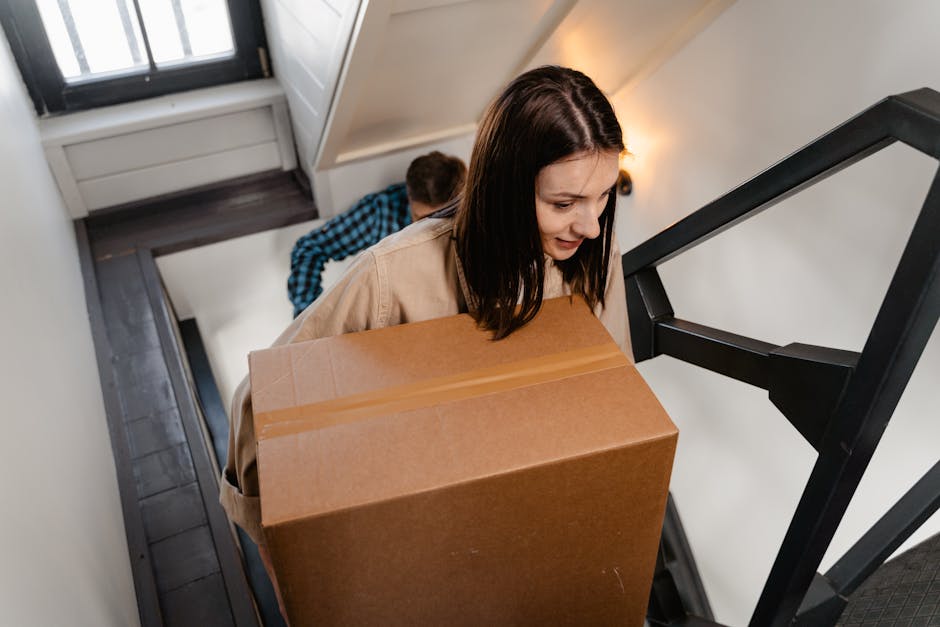
East Finchley N2 removals tips for flat and stair moves

Moving out of a flat in East Finchley can be straightforward right up until the stairs appear. Then the real work begins: narrow landings, awkward bends, top-floor walk-ups, shared entrances, and that one heavy item you somehow forgot was so heavy. If you are looking for East Finchley N2 removals tips for flat and stair moves, this guide is built for exactly that kind of move.
Whether you are leaving a compact conversion near the station, moving into a maisonette with tight internal steps, or trying to shift furniture through a building with limited access, the trick is not brute force. It is planning. A good flat move in N2 is all about measuring, sequencing, and keeping the route clear before the first box is lifted. Sounds obvious, but in practice, many people only realise it halfway down the stairs. Bit late then.
This article walks you through the practical side of stair moves: what matters most, how to prepare, which mistakes cause damage, and how to decide whether you need a small van, a full team, or a more specialised service such as flat removals in Finchley or man with a van support. You will also find a comparison table, a checklist, and a realistic example so you can make better decisions without second-guessing every box.
Expert summary: Stair moves are won before moving day, not during it. Measure the route, reduce clutter, protect edges, label clearly, and match the vehicle and crew to the access you actually have, not the access you hope you have.
Why East Finchley N2 removals tips for flat and stair moves matters
Flat moves are rarely difficult because of distance. They are difficult because of access. In East Finchley, that can mean shared stairwells, older buildings, split-level layouts, and parking that is good enough on paper but slightly awkward when a removal van turns up. That is why the best East Finchley N2 removals tips for flat and stair moves focus on the route, not just the packing.
If you live on a higher floor, every extra metre and every extra turn increases the time, effort, and risk of damage. A sofa that seems manageable in the lounge can suddenly become a stubborn, angular problem on the second-floor landing. Your hallway may feel spacious when empty, then instantly feel like a tunnel once you add a mattress, a lamp, and a mover trying not to scrape the wall. It happens.
Getting the approach right matters for three reasons. First, it protects your belongings and the building. Second, it helps movers work safely and efficiently. Third, it keeps the day calmer for you. Less panic, fewer delays, fewer "we should have checked that" moments.
It also matters commercially. If you request the wrong vehicle or understate access issues, a quoted price can shift once the crew sees the reality on site. That is why pages such as pricing and quotes and competitive prices are worth reviewing early, before you commit to a plan that does not fit your flat.
How East Finchley N2 removals tips for flat and stair moves works
At a practical level, a flat or stair move works best when the job is broken into stages: assess the access, reduce the load, pack by room, protect the route, and move in a sensible order. That is the simple version. The slightly less simple version is that each building brings its own problems.
For example, a ground-floor flat with a shared front entrance may still need careful protection for doors, corners, and the stairwell itself. A top-floor flat may need more labour, more time, and more patience. A building with tight stairs may require smaller loads and more careful handling even if the total volume is modest. And if you are moving a bulky item such as a wardrobe, washer, or piano, the route can matter more than the item itself.
That is why a good moving plan should always cover:
- the width and height of internal stairs and landings
- the turning space at each floor
- whether railings or bannisters reduce clearance
- parking distance from the entrance
- lift access, if any, and whether it is usable on moving day
- the number of people needed to carry items safely
In many cases, the best approach is to decide early whether the move is better suited to a general home move, a specialist flat move, or a smaller vehicle approach such as a removal van in Finchley or a more flexible man and van arrangement. The right option depends on access, volume, and how much you want handled for you.
Key benefits and practical advantages
Planning for flat and stair moves properly does more than reduce stress. It changes the whole rhythm of the day. You will notice the difference almost immediately: fewer pauses, fewer awkward lifts, fewer decisions made under pressure.
- Less risk of damage: Careful planning reduces the chance of scratched walls, chipped paint, crushed box corners, and scuffed furniture.
- Faster loading and unloading: A clear route and well-labelled boxes make the move smoother from the first trip to the last.
- Better safety: Stair moves can be physically demanding, especially with heavy or awkward items. Good preparation reduces slipping and strain.
- Lower stress: Knowing what goes first, who carries what, and where each item belongs prevents the classic "where is the kettle?" scramble at 7pm.
- Better value: Efficient access and good packing can reduce wasted time, which is especially useful when comparing removal companies in Finchley.
There is also a subtle benefit people often overlook: when the move is well organised, the building feels less chaotic for neighbours too. Fewer blocked hallways. Less noise. Fewer apologies in the stairwell. That matters in flats, where everybody shares space and everyone notices a moving trolley before lunch.
Who this is for and when it makes sense
This kind of guidance is useful for a wide range of people, not just first-time movers. If you are in a flat with stairs, even if it is only one short flight, it makes sense to think ahead. But some situations need it more than others.
- Tenants moving out of a rented flat: Especially if you need to vacate on a deadline and want to avoid damage deposits being affected by careless moving.
- Homeowners moving from maisonettes or conversions: These properties often have tighter internal access than a standard house.
- Students or sharers: Smaller budgets usually mean less room for error, so a simple, efficient move matters. A look at student removals in Finchley can be helpful if your move is compact but time-sensitive.
- People with bulky furniture: Wardrobes, beds, desks, and white goods are where stair moves get tricky.
- Anyone moving on a tight schedule: If the handover window is narrow, a poor plan can cause costly delays.
It also makes sense if you are moving within the Finchley area and already know parking is limited or the access route is not ideal. In that case, a service like removals in Finchley can be easier to coordinate because local experience tends to shorten the amount of guesswork.
Step-by-step guidance
1) Measure the route before you pack
Start with the awkward parts: stair width, landing space, door frames, the front path, and the distance from where a van can reasonably stop. If you have a sofa, mattress, wardrobe, or desk that needs to move through the building, measure the item as well. Better still, compare its largest dimension to the narrowest point on the route. That simple step saves a lot of trouble.
If you are unsure, take photos. Not glamorous, but incredibly useful. A couple of clear pictures of the staircase, front door, and any sharp corners will tell a mover far more than a vague description of "pretty normal stairs, I think".
2) Declutter before you box anything
Flat moves punish indecision. If something has been sitting in the spare room since 2021 and nobody has missed it, now is a fine time to let it go. Fewer items means fewer boxes, fewer trips, and less weight on the stairs. That is not just tidy; it is practical.
Use three groups: keep, donate, and dispose. If you are trying to minimise waste, you may also want to look at recycling and sustainability options so you know how to handle items responsibly rather than stuffing them into the nearest bin bag and hoping for the best.
3) Pack by weight, not by room alone
People often pack "the kitchen box" or "the bedroom box" and forget that weight matters more than category on stair moves. A box full of books is not the same as a box full of towels. Put heavy items into smaller boxes. Keep the largest boxes light enough to carry safely down stairs without wobbling like a shopping trolley in November rain.
Mark each box with the room and a quick weight note such as heavy, medium, or light. That tiny detail helps movers choose the right order and avoids the classic mistake of putting a dense box on top of a fragile one.
4) Protect the building and the furniture
Stair moves are where protection earns its keep. Use blankets, corner guards, door protectors, and floor coverings if needed. If the route is tight, wrap furniture edges before carrying them through. You do not need to cocoon every item like a museum artefact, but a bit of protection goes a long way.
And remember the railing. Bannisters are where furniture gets caught, especially when someone is trying to angle a mattress or cabinet around a landing. One slip there, and everyone hears it.
5) Plan the loading order
Do not start by carrying the easiest things. Start by loading the largest and most awkward items first, while the team is freshest and the route is still clear. Then bring down the medium items. Leave the small boxes, soft bags, and loose items for later.
That order matters even more if the van is parked a little further away. If you have hired a man with a van in Finchley, efficient loading will make the most of the smaller vehicle and reduce the number of back-and-forth trips.
6) Keep essentials separate
One box should be reserved for essentials: kettle, mugs, toiletries, chargers, basic tools, medication, cleaning cloths, and a spare set of clothes. Put it somewhere obvious, not buried under twenty-seven other boxes because you were tired and optimistic. We have all been there.
7) Do a final route check on the day
Before anything starts moving, walk the route again. Is the stairwell clear? Are the lights working? Is the parking still available? Has another resident left a bike in the way? Small issues turn into large annoyances if nobody checks them early.
Expert tips for better results
A few details can make a huge difference on moving day. These are the things experienced movers tend to check first, because they know where the friction appears.
- Use smaller box sizes than you think: On stairs, a box that is "manageable" at ground level can become a problem by the second landing.
- Disassemble furniture early: Bed frames, dining tables, and shelving units are much easier to move in pieces.
- Bag loose fittings together: Screws, Allen keys, and shelf pins should be taped or bagged and labelled.
- Keep hallways clear: Even one coat rack in the wrong place can slow a stair move down.
- Book enough time: A rushed move is where mistakes happen. Calm pace wins, especially in older flats.
- Ask about insurance and safety: It is sensible to check the mover's approach to risk and protection, particularly for stair-heavy jobs. A page like insurance and safety gives a good sense of how this should be handled.
One small but useful trick: if your building has a particularly narrow stair corner, test your largest item with cardboard first. A flattened box cut to size can help you visualise the turn before anyone lifts the actual furniture. Slightly old-school, yes. Very effective, too.
Also, do not underestimate communication. If you are moving with friends, a landlord, or a removal team, say clearly who is carrying what. Ambiguity is the silent enemy of stair moves.
Common mistakes to avoid
Most moving day problems come from a short list of avoidable mistakes. They are familiar ones, unfortunately.
- Underestimating furniture size: People often measure rooms and forget the route out of the property is what really matters.
- Using oversized boxes: Big boxes may seem efficient, but on stairs they are awkward and more likely to be dropped.
- Ignoring parking and access: A van that cannot stop close enough adds time, effort, and a fair bit of frustration.
- Failing to protect walls and banisters: Touch-ups are annoying and can be more expensive than basic protection.
- Leaving packing until the final day: It almost always leads to rushed sorting and poorly packed boxes.
- Forgetting to label boxes clearly: If every box just says "misc", the unpacking stage becomes chaos with cardboard.
- Not planning for stairs at the new place: It is easy to focus on getting out and forget the next staircase waiting on the other side.
A lot of these mistakes are not dramatic on their own. That is the sneaky part. They build up. Then suddenly a move that should have felt manageable turns into a long, noisy afternoon with one person holding a door open and another person muttering about the mattress angle.
Tools, resources and recommendations
You do not need a warehouse of equipment to move well. But a few tools make flat and stair moves much easier.
| Tool or item | Why it helps | Best use case |
|---|---|---|
| Strong tape and labels | Keeps boxes secure and organised | All moves, especially multi-floor flats |
| Furniture blankets | Protects surfaces from knocks and scrapes | Wardrobes, tables, white goods |
| Gloves with grip | Improves hold on awkward items | Stairs, damp weather, heavy boxes |
| Small sack truck or trolley | Reduces carrying strain | Longer hallways or ground-level runs |
| Door and floor protectors | Helps prevent accidental damage | Shared entrances and narrow stairwells |
If you need packing supplies or guidance on what kind of boxes work best for different items, a practical starting point is packing and boxes in Finchley. That can be especially helpful if you are trying to balance speed, cost, and protection.
For bigger or more awkward furniture, it may also be sensible to look at furniture removals in Finchley. Not every item should be treated like a standard box. Some pieces need proper handling, a second pair of hands, and a route check before anyone starts lifting.
And if your move needs extra flexibility or shorter notice, there is nothing wrong with asking about same-day removals in Finchley. Sometimes life happens quickly. It is not ideal, but it is real.
Law, compliance, standards, or best practice
For a flat move, the legal and compliance side is usually less about red tape and more about safe, sensible practice. Still, a few things are worth keeping in mind.
First, movers should operate with proper care for health and safety. In practical terms, that means using safe lifting methods, not overloading boxes, keeping access routes clear, and avoiding unsafe handling of heavy or awkward items. If you are hiring help, ask how they handle stair moves and what protection they use for your home and the building.
Second, if you live in a leasehold flat or a managed building, there may be building rules about moving times, lift use, access codes, or protecting shared spaces. These are not always strict laws, but they are real requirements in practice. Check them early so you are not trying to manoeuvre a wardrobe while a caretaker reminds you of a time window you forgot.
Third, if a moving company gives you a quote, make sure you understand what is included. Good practice is to confirm the access assumptions, the number of movers, whether waiting time is charged, and what happens if parking is further away than expected. It is always better to clarify that before the van arrives than after everyone is already sweating at the bottom of the stairs.
If you want to understand the wider service framework, pages such as health and safety policy, terms and conditions, and privacy policy can help set expectations around how a professional removals service should operate.
Options, methods, or comparison table
The best moving method depends on how much you own, how tricky the stairs are, and how quickly you need the job done. There is no single correct answer, which is annoying but true.
| Option | Best for | Pros | Trade-offs |
|---|---|---|---|
| DIY with friends | Very small flats and light loads | Lowest direct cost, flexible timing | Higher physical effort, more risk, slower on stairs |
| Man and van | Compact to medium flat moves | Good balance of cost and help, adaptable access | May not suit very large or complex moves |
| Full removals team | Top-floor flats, heavy furniture, larger inventories | More hands, better for awkward items, usually smoother | Higher cost than a smaller setup |
| Storage first, move later | Staged moves or delayed completion | Reduces pressure, helps if dates do not align | Extra coordination needed |
If you are unsure which route fits your move, comparing the service pages for house removals in Finchley and services overview can help you see where a flat move sits within the wider service range. That comparison is useful even if you are not moving a house; it shows what level of support you can scale up or down to.
Case study or real-world example
Here is a realistic example from a typical East Finchley flat move. A couple were leaving a second-floor flat with a narrow staircase, no lift, and one awkward turn halfway up. Their main problem was not volume. It was shape. They had a double bed frame, a sofa with fixed arms, two tall bookcases, and a fairly hefty desk. Nothing outrageous, just the sort of items that look harmless until you point them at a staircase.
Instead of packing everything on the morning of the move, they started two days earlier. Books went into small boxes. Loose fittings were bagged and taped to the furniture they belonged to. The bed was dismantled in advance. Hallways were cleared. The route was measured from the flat door to the van. They also checked the parking space outside and made sure neighbours were not likely to block it early in the morning.
On moving day, that preparation paid off. The team knew which items were awkward. The stairwell stayed clear. The mattress went down carefully without repeated stops. Nothing was forced around the landing, and the move finished without a single wall scuff that anyone had to pretend not to notice. A bit boring, in the best possible way.
The important lesson? The move did not go smoothly because the building was easy. It went smoothly because the plan matched the building.
Practical checklist
Use this as a last-minute check before moving day. It is simple, but it catches a lot.
- Measure stairs, landings, door frames, and the largest furniture pieces
- Confirm parking and loading access close to the entrance
- Tell movers about any tight corners or awkward turns
- Pack heavy items into smaller boxes
- Label every box with room and weight level
- Disassemble large furniture where possible
- Protect walls, floors, and bannisters
- Keep essential items in one separate box
- Check building rules, lift access, and moving times
- Have a backup plan if parking is blocked or the weather turns bad
If you are still deciding how much help you need, it can be worth reviewing removal services in Finchley alongside removal van options. Sometimes the best choice is somewhere in the middle, not the biggest or the smallest package.
Conclusion
East Finchley N2 removals tips for flat and stair moves come down to one thing: respect the access. If you plan for the staircase, the corners, the parking, and the weight of each item, the move becomes far easier to control. You do not need a perfect day. You just need a sensible one.
For most flat moves, the winning formula is straightforward: measure carefully, pack smart, protect the route, and choose the right level of removals support for the job. That might be a small van, a dedicated flat move, or a fuller service depending on how many stairs you have and how much furniture you are carrying. There is no shame in choosing the easier route. In fact, that is usually the clever route.
And if you are at the stage where you want practical support rather than another evening of cardboard and guesswork, take a look at the local options, compare what is included, and choose the setup that fits your home rather than fighting it.
Get a free quote today and see how much you can save.
Frequently Asked Questions
What is the best way to move furniture down stairs in a flat?
The safest approach is to measure the route, dismantle large pieces where possible, protect corners and banisters, and use enough people to keep the item balanced. Never force furniture around a tight turn if it is clearly too large. That is where damage happens fast.
How do I prepare for a flat move in East Finchley N2?
Start by checking access, parking, and stair width. Then declutter, pack heavy items into small boxes, label everything clearly, and set aside essentials for the first night. If you are using professional help, share photos of the stairwell and entrance in advance.
Are man and van services suitable for stair moves?
Yes, often they are a very practical choice for smaller flat moves or lighter loads. They work especially well when access is tight and you do not need a large crew. For more awkward furniture or a high-floor flat, a larger removals team may be better.
Should I hire a full removals team for a top-floor flat?
If you have heavy furniture, many boxes, or a difficult stair route, a full team usually makes the day smoother and safer. It is not always necessary, but it can save time and reduce the physical strain on everyone involved.
How can I avoid damaging walls or bannisters?
Use furniture blankets, edge protection, and clear communication during every carry. Move slowly on turns and do not rush the landing. One extra minute of care is usually cheaper than repainting a hallway.
What should I pack separately for moving day?
Keep a box or bag with chargers, toiletries, medicines, snacks, kettle basics, a change of clothes, and any documents you need immediately. Put it somewhere easy to find, not hidden under the winter coats.
How far in advance should I book removals for a flat move?
As early as you can, especially if you are moving at month-end or on a weekend. Stair-heavy flats often need more planning, so giving your removals provider time to assess access makes the whole move easier.
Is storage useful for a stair move?
Yes, if your dates do not line up or you need to reduce the volume being moved in one go. Storage can take pressure off the day and help you move in stages rather than trying to do everything at once. A look at storage in Finchley may be useful if your situation is a bit messy.
What should I tell the removals company before moving day?
Tell them about the floor level, stair width, any lifts, parking distance, awkward furniture, and any time restrictions from your building. The more precise you are, the fewer surprises there are on the day. And surprises, in removals, are rarely the good kind.
Can I move a piano or other very heavy item up or down flat stairs?
Sometimes, but only with proper planning and specialist handling. Pianos and similar items are not regular furniture. They may need dedicated lifting equipment, extra people, and very careful route checks. For that kind of job, it is wise to speak with a specialist such as piano removals in Finchley.
What is the biggest mistake people make with stair moves?
Assuming the stairs will be "fine" without checking them properly. That one assumption causes a surprising amount of stress. Measure first, carry second. It sounds simple because, well, it is.
How do I choose between different removal companies in Finchley?
Compare what each company includes, whether they ask about access in detail, how they handle insurance and safety, and whether their service matches the size of your move. Looking at about us and removal companies in Finchley can help you judge professionalism and fit.
If you want to keep learning about local moving conditions and planning around Finchley life, you may also find it helpful to read this Finchley Central removals guide for Ballards Lane moves. It gives more local context for the kind of access and timing issues people often run into nearby.
Moving a flat with stairs is rarely glamorous, but it does not need to be miserable. A calm, well-planned move can feel almost uneventful - and honestly, that is the dream. One careful step at a time, and you are through it.